May 1, 2025
How to Conduct a Narration
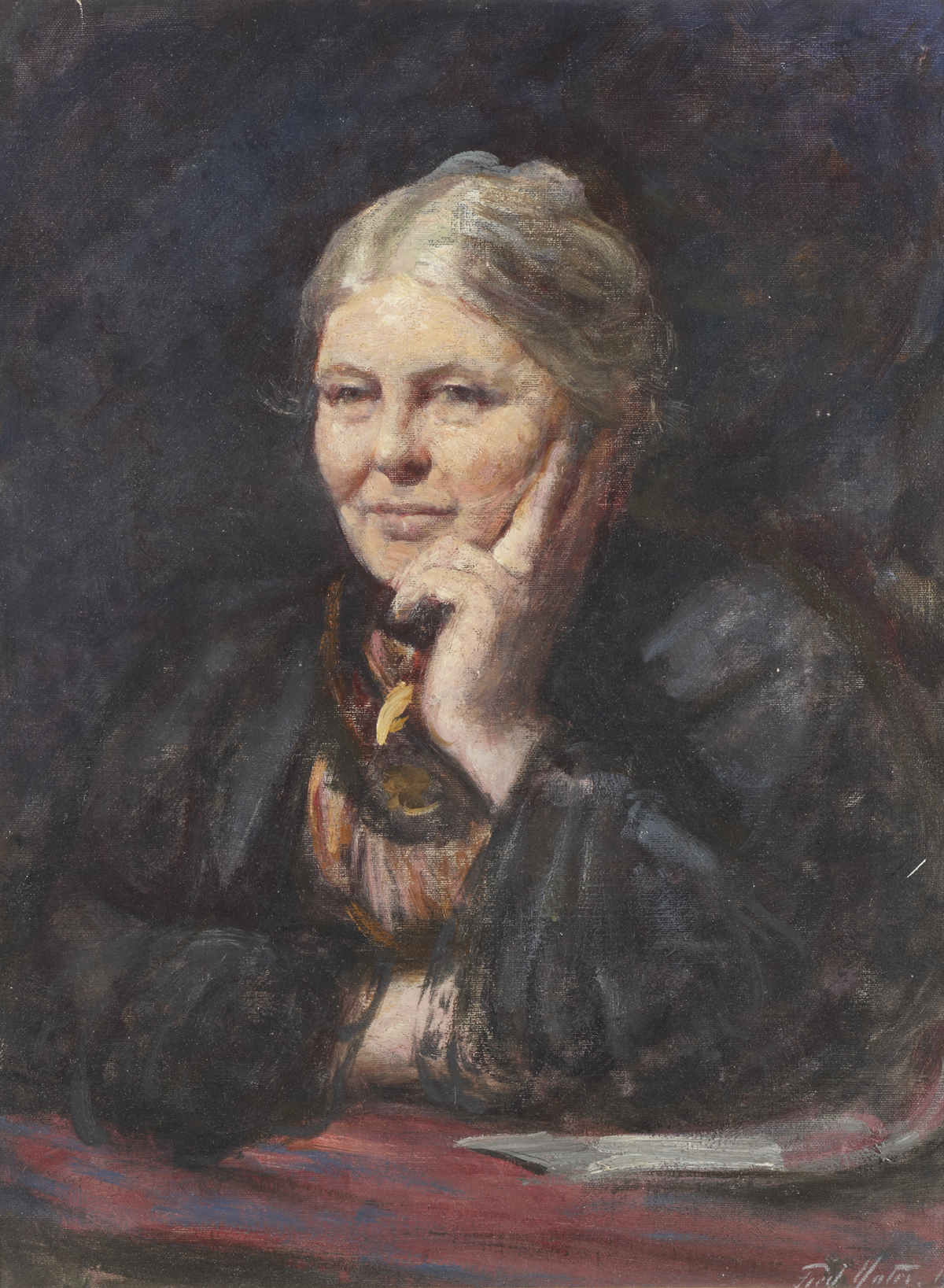
"As knowledge is not assimilated until it is reproduced, children should 'tell back' after a single reading or hearing: or should write on some part of what they have read. A single reading is insisted on, because children have naturally great power of attention; but this force is dissipated by the re-reading of passages, and also, by too often questioning and summarizing."
— Charlotte Mason, Towards a Philosophy of Education
The Benefits of Narration
- Narration encourages the habits of attention and reflection.
- Students become accustomed to public speaking, an essential part of rhetoric.
- By retelling a text, students deepen their acquaintance with it. Knowledge is reinforced in their memories.
- Narration develops multiple intelligences — memory, sequence, main idea. These intelligences are fundamental to the writing process.
The Steps of Narration
- The teacher models fluency by reading the text aloud.
- Students listen carefully, knowing that the text will not be repeated.
- The teacher pauses during or after the reading and appoints a student to tell the text back.
- The student narrates in chronological order, recalling as many details as possible: names, dates, incidents, and important vocabulary words. The teacher must refrain from interrupting or correcting imperfect narrations. Students are welcome to use their own words.
- Once the student has recounted the text as best as she remembers it, the teacher may ask other students to chime in with additional details.
- After the retelling is completed, the teacher will ask questions that are open-ended and that will lead to big ideas.
It's important to keep in mind that narration is not limited to read-alouds or to retellings involving the whole classroom.
The "Text" of a Narration Can Be
- Paired or silent readings
- Art, music, or dance
- A natural object or a natural scene
- A math or logic problem
- A new skill in gym or sport
- A field trip
- A science experiment
Teacher Tips
In addition to narrations involving the whole class, narration can be conducted in pairs or trios, in writing, by drawing, or by acting.
Young children should be allowed to narrate paragraph by paragraph, while older children can "tell" chapter by chapter. Summary is more appropriate for middle and high school.